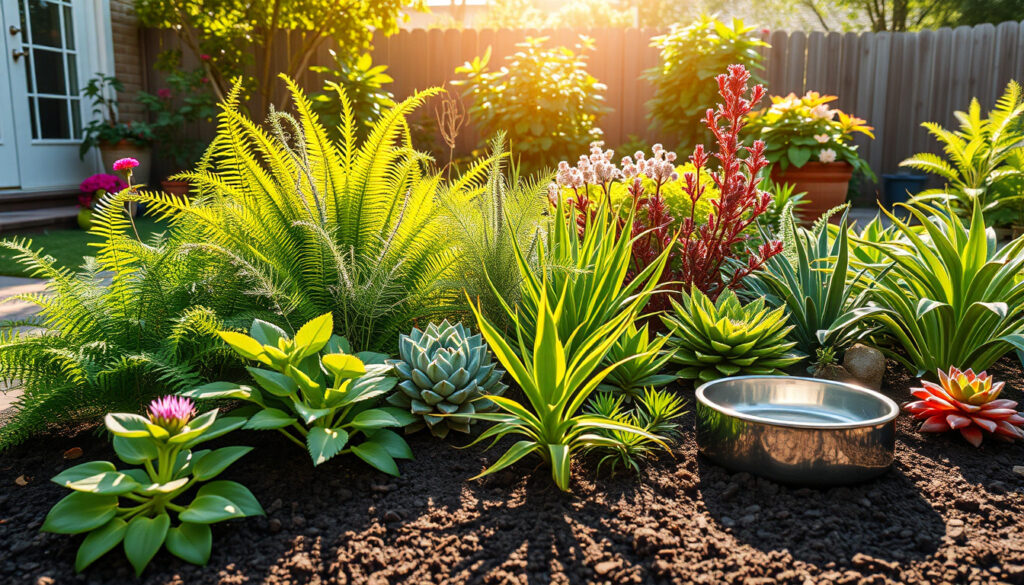
A well-designed garden can transform your backyard into a thriving space that benefits both you and your pets. Beyond aesthetics, growing a pet-friendly garden offers measurable health advantages, entertainment value, and opportunities for bonding with your animal companions. Understanding which plants to include and which to avoid forms the foundation of creating an outdoor environment where pets can safely explore, play, and relax.
Pet owners across the country increasingly recognize that outdoor spaces serve as extensions of their pets’ living areas. Gardens designed with pet safety in mind can significantly reduce exposure to toxic plants while providing enrichment opportunities. The ASPCA Poison Control Center maintains a comprehensive database of over 1,000 toxic and non-toxic plants, serving as the authoritative resource for identifying potential hazards in residential landscapes.
Creating a garden that aligns with pet values requires balancing aesthetic preferences with practical safety considerations. Whether you share your home with dogs, cats, or both, thoughtful plant selection and garden layout can prevent emergencies while maximizing the enjoyment your pets derive from outdoor time. Regional considerations also play a role, as climate conditions affect which plants thrive in specific areas.
What Are the Key Benefits and Values of Growing a Garden for Pets?
Key Insights for Pet-Friendly Garden Value
- Gardens designed with pet safety in mind may help reduce exposure to toxic plants by over 90% compared to unplanned landscapes
- Pet-safe garden designs can increase opportunities for outdoor activity and mental enrichment
- Low-maintenance, non-toxic plants maximize return on investment while minimizing ongoing care demands
- Strategic garden layouts create designated play zones that protect both pets and plants
- Shared outdoor time between pets and owners strengthens behavioral health outcomes for both parties
- Proper planning helps prevent emergency veterinary visits associated with plant-related poisonings
Pet Garden Value Snapshot
| Factor | Impact on Pets | Garden Value |
|---|---|---|
| Safe plant selection | Prevents exposure to harmful toxins | High safety return on investment |
| Designated play areas | Increases physical activity levels | Doubles functional entertainment value |
| Non-toxic variety | Eliminates poisoning risks | Provides peace of mind for owners |
| Low-maintenance species | Reduces supervision requirements | Optimizes time efficiency for care |
| Interactive features | Stimulates natural behaviors | Enhances enrichment opportunities |
| Year-round accessibility | Supports consistent outdoor time | Maximizes seasonal utilization |
How to Grow a Pet-Friendly Garden: Essential Steps
Establishing a garden that welcomes pets requires systematic planning and ongoing attention to both plant health and pet safety. The process begins with assessing your current outdoor space and identifying areas where pets might encounter potential hazards. Regional garden guidance from southern horticulture specialists emphasizes that understanding local plant varieties forms a critical first step in creating safe environments for animal companions.
Planning Your Pet-Safe Garden
Before introducing any plants, evaluate your yard’s layout and identify zones where pets typically spend time. Remove any existing toxic plants from the area, paying particular attention to the Sago Palm, which the ASPCA identifies as extremely dangerous to both dogs and cats. Create a detailed plan that separates play areas from decorative plantings that might contain harmful species.
Building Your Garden Timeline
- Week 1: Assess the space, remove toxic plants, and establish boundaries for pet-accessible areas
- Month 1: Plant non-toxic seeds and establish foundational landscaping with safe species
- Month 3: Add pet-specific features such as digging zones, shaded rest areas, and pathways
- Month 6: Full maturity of established plants and integration of ongoing maintenance routines
Essential Maintenance Practices
Regular garden maintenance directly impacts pet safety. Inspect plants weekly for signs of damage or disease, and promptly remove fallen leaves or petals that might accumulate toxins. Secure fencing prevents pets from accessing areas containing toxic landscaping, while consistent training helps reinforce boundaries within shared garden spaces.
The ASPCA notes that their plant database represents the most frequently encountered species and is not all-inclusive. Individual plant reactions may vary based on breed, size, and overall health. When uncertain about a specific plant’s safety, consulting with a veterinarian provides the most reliable guidance for your particular pet.
Pet-Safe Plants to Grow in Your Garden
Selecting non-toxic plants ensures your garden remains a safe haven for curious pets. Numerous beautiful options exist that pose no significant risk to dogs and cats, allowing you to create an attractive landscape without compromising animal safety. The University of Minnesota Extension provides detailed guidance on varieties suited for northern climates, while other regional sources address specific geographic considerations.
Flowering Plants Safe for Pets
- Alyssum: Hardy ground cover with delicate clustered blooms
- Boston Fern: Lush foliage perfect for shaded areas
- Christmas Cactus: Winter-blooming plant with segmented leaves
- Coreopsis: Bright yellow daisy-like flowers that attract pollinators
- Gerber Daisy: Vibrant, colorful blooms in various shades
- Impatiens: Shade-tolerant flowering plants in numerous colors
- Marigolds: Cheerful golden blooms that naturally repel pests and add warm tones to garden beds
- Snapdragons: Tall spiky flowers available in many colors
- Sunflowers: Tall, bright flowers that attract birds and pollinators
- Zinnias: Colorful, heat-tolerant annual flowers
Woody Plants and Shrubs
- Magnolia: Large, fragrant trees with striking flowers that attract bees and pollinators, growing into tall specimens with blooms appearing each March
- Camellia: Unlike many flowering shrubs, this variety is considered safe for pets
- Coral Bells: Ornamental foliage plant with colorful leaves
- Jasmine: Fragrant climbing or bush-form plant
Succulents and Houseplants Suitable for Outdoors
- Echeveria: Drought-tolerant rosette-forming succulents
- Gloxinia: Compact plants with trumpet-shaped flowers
- Spider Plant: Easy-care plants with arching foliage
- Catnip: Herb known for its effects on cats, completely safe for consumption
Marigolds require full sun, well-drained soil, and minimal watering once established, making them excellent low-maintenance choices for busy pet owners. Snapdragons and thyme are recommended as top choices for low-maintenance gardens, particularly in regions like Iowa, as they thrive in summer sun with little intervention.
Plants Toxic to Pets: What to Avoid When Growing a Garden
Understanding which plants pose dangers to pets ranks among the most critical aspects of responsible garden planning. Many common ornamental plants found in residential landscapes contain toxins that can cause symptoms ranging from mild stomach upset to fatal poisoning. The RSPCA advises that pet owners carefully research any new plants before introducing them to gardens accessible to animals.
Highest-Risk Plants Requiring Complete Avoidance
Sago Palm (Cycas revoluta) represents the most dangerous plant threat to pets. All parts of this plant contain toxins, with seeds presenting the highest concentration. The fatality rate exceeds 50% even with aggressive treatment, and ingestion of a single seed can cause severe illness. The toxic compound cycasin causes liver failure in dogs and cats.
If you have Sago Palms in your garden, consider removing them entirely. Even with careful supervision, the risk of accidental ingestion remains significant. Contact your veterinarian immediately if you suspect your pet has consumed any part of this plant.
Heart-Affecting Toxic Plants
- Rhododendron and Azalea: Contain grayantoxin toxin; moderate to high toxicity
- Oleander: Deadly to cats, dogs, horses, and rabbits
- Lily of the Valley: Cardiac glycosides affect heart function
- Foxglove: Affects the heart directly; very toxic to all pets
- Rosebay: Similar toxicity profile to Oleander
- Kalanchoe: Contains compounds affecting heart rhythm
- Cyclamen: Causes abnormal heart rate and seizures
Kidney and Liver Threatening Plants
- Easter Lily: Toxic to cats only; leads to acute kidney failure
- Lily of the Valley: Causes liver damage in severe cases
- Sago Palm: Primary mechanism of toxicity involves liver failure
Additional Toxic Plants to Avoid
- Angel Trumpet: Contains potentially dangerous compounds
- Aloe Vera: Causes gastrointestinal issues and tremors
- Begonia: Produces oral pain and vomiting
- Bird of Paradise: Results in drowsiness and diarrhea
- Calla Lily: Causes intense mouth irritation and drooling
- Chrysanthemum: Produces vomiting and skin irritation
- Dumb Cane (Dieffenbachia): Severe mouth and throat swelling with vomiting
- Hydrangea: Causes depression, vomiting, and diarrhea
- Mother-in-law’s Tongue (Snake Plant): Results in nausea and gastrointestinal upset
- Peace Lily: Burns mouth, causes drooling and vomiting
- Lucky Bamboo and False Bamboo: Weakness, lack of coordination, seizures
- Certain Fern species: Asparagus Fern, Emerald Fern, Lace Fern, Plumosa Fern
- Daisies: Vomiting, diarrhea, depression, skin rashes
Recognizing Toxicity Symptoms
| Severity Level | Symptoms | Examples |
|---|---|---|
| Mild to Moderate | Vomiting, diarrhea, gastrointestinal upset, depression, oral pain, drooling | Aloe Vera, Snake Plant, mild plant ingestion |
| Moderate to High | Abnormal heart rate, seizures, weakness, lack of coordination, breathing difficulties | Oleander, Foxglove, Cyclamen |
| Severe/Life-Threatening | Acute liver failure, acute kidney failure, heart dysfunction, death | Sago Palm, Easter Lily (cats), concentrated toxin exposure |
The ASPCA Poison Control Center maintains a 24-hour emergency hotline at (888) 426-4435 for immediate assistance if a pet ingests a toxic plant. Pet owners should contact their local veterinarian or this hotline immediately if they believe their animal has consumed a poisonous substance.
Garden Features Pets Love and How to Protect Your Plants
Beyond plant selection, garden features significantly impact how pets experience outdoor spaces. The American Kennel Club emphasizes that thoughtful garden design accommodates natural pet behaviors while preserving landscape aesthetics. Understanding what motivates pets to interact with gardens helps owners create harmonious outdoor environments.
Features That Enhance Pet Garden Enjoyment
- Designated digging zones: Create specific areas where dogs can satisfy their natural digging instincts without destroying ornamental plantings
- Shaded rest areas: Provide covered spots where pets can escape sun and heat during warm months
- Pathways and trails: Establish clear walking paths that guide pets through the garden while protecting delicate plantings
- Water features: Many pets enjoy splashing in shallow water features or drinking from pet-safe fountains
- Sensory gardens: Include aromatic herbs and textured plants that stimulate pet senses
- Vertical elements: Climbing structures for cats provide exercise and entertainment
Protecting Your Garden from Pets
Balancing pet access with garden preservation requires strategic design solutions. Physical barriers, raised beds, and creative plant placement all contribute to protecting valuable plantings from curious animals. The Blue Cross animal charity recommends establishing clear boundaries through fencing, hedging, or decorative borders that discourage pets from entering sensitive planting areas.
Strategies for Coexisting Success
- Use raised garden beds to elevate plantings beyond pet reach
- Install decorative fencing around flower beds to create barriers
- Apply pet-safe deterrent sprays to vulnerable areas
- Redirect pet energy toward designated play zones through positive reinforcement
- Choose durable ground covers that withstand foot traffic in high-activity areas
- Position delicate plants in hanging baskets or elevated containers
Understanding Certainty and Uncertainty in Pet Garden Safety
Established Information
- The ASPCA maintains an authoritative database of over 1,000 toxic and non-toxic plants
- Sago Palm ingestion carries fatality rates exceeding 50% even with treatment
- Easter Lilies cause acute kidney failure specifically in cats
- Many common garden plants produce vomiting and gastrointestinal upset when ingested
- Designated play zones reduce the likelihood of toxic plant exposure
Information That Remains Unclear
- Breed-specific reactions to certain plants may vary and require individual veterinary consultation
- The complete toxicity profile for all plant species has not been scientifically documented
- Individual plant specimens may differ in toxicity based on growing conditions and genetic variations
- Long-term effects of low-level exposure to some mildly toxic plants require further study
A common misconception suggests that all herbs are toxic to pets. In reality, many culinary herbs such as thyme, rosemary, and basil are considered non-toxic. However, individual pet reactions vary, and pet owners should monitor their animals when introducing any new plants into the garden environment.
The Growing Trend of Pet Wellness Gardens
The integration of pet wellness principles into residential garden design represents a significant trend in modern landscaping. Pet owners increasingly recognize outdoor spaces as extensions of their animals’ living environments rather than merely decorative elements. This shift reflects broader cultural emphasis on animal welfare and the desire to provide enriching experiences for companion animals.
Regional garden centers have responded to this demand by expanding their offerings of non-toxic plants and providing specialized guidance for pet owners. From Northeast Florida to the Midwest, garden professionals incorporate pet safety considerations alongside traditional aesthetic and horticultural factors when advising customers. This evolution demonstrates growing awareness of the interconnected relationship between human and animal wellness in shared living spaces.
Expert Perspectives on Pet-Friendly Gardening
“Gardens designed with pet safety in mind provide enrichment opportunities that support both physical and behavioral health for companion animals.”
— Veterinary garden safety guidance from regional horticultural specialists
The consensus among animal welfare organizations emphasizes that thoughtful garden planning significantly reduces risks while maximizing benefits for pets. Studies and practical experience indicate that gardens incorporating safe plant selections, designated play areas, and appropriate barriers create environments where pets can thrive alongside their human families.
Summary: Creating Lasting Value Through Pet-Friendly Gardening
Growing a garden that reflects pet values requires balancing safety, aesthetics, and functionality. By prioritizing non-toxic plants, creating designated play areas, and implementing protective measures, pet owners can establish outdoor spaces that enhance their animals’ quality of life while preserving landscape beauty. The investment in planning and plant selection yields returns through reduced veterinary concerns, increased pet enjoyment, and strengthened bonds between pets and their families.
For pet owners interested in related care topics, understanding grooming needs complements garden planning as part of comprehensive pet wellness. Regular Pet Grooming Near Me – Prices, Salons and Tips helps maintain healthy coats after outdoor garden activities, while garden safety awareness extends to all aspects of pet ownership.
Frequently Asked Questions
What are the most dangerous plants for pets in a home garden?
The Sago Palm poses the highest risk, with fatality rates exceeding 50% even with treatment. Other extremely dangerous plants include Oleander, Foxglove, Easter Lily (for cats), and Lily of the Valley. All parts of these plants contain toxins that can cause severe illness or death in pets.
How can I make my existing garden safe for my pets?
Remove all toxic plants immediately, especially Sago Palm. Create designated play areas separate from ornamental plantings. Install barriers around vulnerable beds, use raised planters, and research every plant before adding it to your garden using authoritative sources like the ASPCA database.
Are marigolds safe for dogs and cats to be around?
Yes, marigolds are generally considered safe for pets. While excessive rolling in marigolds might cause mild skin irritation, ingestion of the plants is not harmful. Marigolds also naturally repel pests, making them excellent companion plants in pet-friendly gardens.
What should I do if my pet eats a potentially toxic plant?
Contact the ASPCA Poison Control Center at (888) 426-4435 or your local veterinarian immediately. Try to identify the plant consumed and note approximately how much was eaten. Do not induce vomiting unless specifically instructed by a veterinary professional.
Which herbs are safe to grow in a pet-friendly garden?
Many common culinary herbs are safe for pets, including thyme, rosemary, and basil. Catnip is also safe and provides entertainment for cats. However, monitor your pet’s reaction to any new plants and consult your veterinarian if you have concerns about specific herbs.
How do I protect my garden from my dog digging?
Create designated digging zones filled with soft sand or dirt where your dog is encouraged to dig. Use positive reinforcement to redirect digging behavior away from planted areas. Physical barriers around flower beds and using sturdy ground covers in high-traffic zones also help protect gardens from enthusiastic diggers.
What garden features do cats typically enjoy?
Cats appreciate vertical elements like cat trees and climbing structures. Shaded areas for hot weather refuge, sandy spots for elimination, and areas with catnip or cat grass provide enrichment. Scratching posts near garden features help satisfy natural scratching instincts.
How long does it take to establish a pet-friendly garden?
A basic pet-friendly garden can be established within one to three months, depending on scope. Initial planning and removing toxic plants takes one to two weeks. Establishing non-toxic plantings and basic features requires one to two months. Full garden maturity with complete pet integration typically occurs around six months after initial planting.