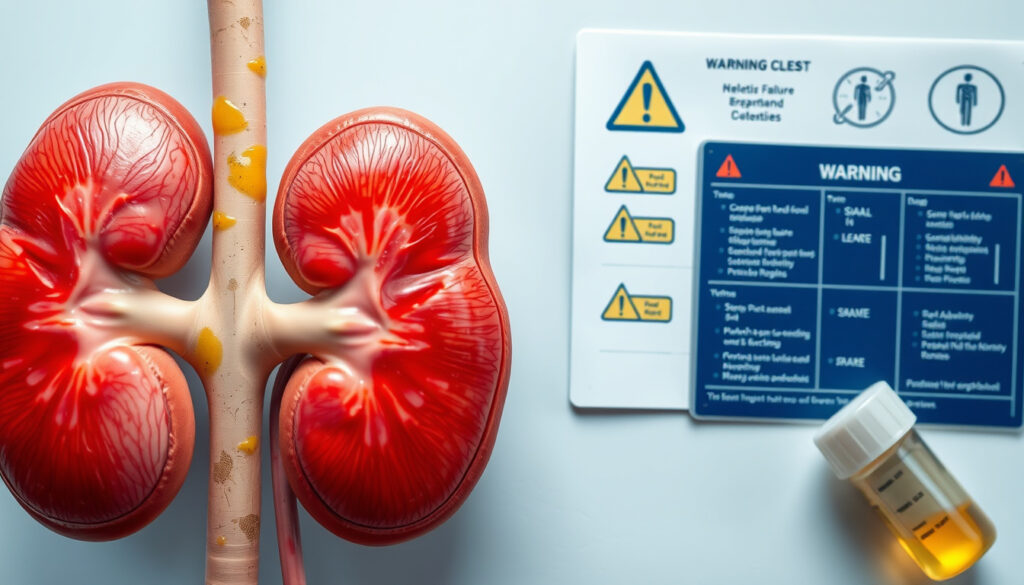
Signs of Kidney Failure: Early Warnings and Symptoms
Most people don’t think about their kidneys until something goes wrong. That’s partly by design: chronic kidney disease often progresses silently for years, with symptoms appearing only when damage is already significant. Understanding the signs of kidney failure—and knowing which ones to take seriously—can make the difference between catching problems early and facing a medical crisis.
Common early signs: Fatigue, swelling, changes in urination · Top sources: National Kidney Foundation lists 10 signs · Late stage symptoms: Nausea, shortness of breath, confusion · Sites emphasizing early detection: Cleveland Clinic, Mayo Clinic
Quick snapshot
- Stages 1–3 CKD typically show no outward symptoms (Mayo Clinic)
- Only about 2 in 100 people with CKD progress to kidney failure (NHS)
- Exact symptom prevalence by CKD stage varies between individuals
- How quickly symptoms develop depends on underlying cause and management
- Early CKD (stages 1–3): Routine tests catch it before symptoms appear
- Stage 4: Symptoms like fatigue, swelling, and nausea become noticeable
- Stage 5: Severe symptoms including chest pain, mental decline, and fluid overload
- If you notice these signs, ask your doctor about kidney function tests
- Early intervention can slow or stop progression in many cases
Five CKD stages exist, with eGFR thresholds that define each: Stage 1 scores 90 or above, Stage 2 falls between 60–89, Stage 3a ranges 45–59, Stage 3b spans 30–44, Stage 4 sits at 15–29, and Stage 5 drops below 15 (Mayo Clinic). The key pattern: kidney function declines gradually, but symptoms lag far behind.
| Label | Value |
|---|---|
| Primary symptoms | Fatigue, nausea, swelling |
| Early indicators | Itchy skin, sleep trouble |
| Top source | Mayo Clinic lists 7+ signs |
| Home check | Urine protein test strips |
What are the symptoms of a bad kidney?
When kidneys start failing, the body sends distress signals that many people dismiss as ordinary fatigue or aging. The Mayo Clinic lists acute kidney injury symptoms including reduced urine output, fluid buildup causing swelling in legs and ankles, shortness of breath from lung congestion, and confusion that friends or family often notice first. Nausea and vomiting frequently accompany advanced stages, along with persistent fatigue that doesn’t improve with rest.
Fatigue and weakness
Kidney failure causes extreme tiredness through two mechanisms: waste products accumulate in the blood (uremia), and anemia develops when damaged kidneys produce less erythropoietin, the hormone that tells the bone marrow to make red blood cells. According to Oxford University Hospitals NHS, uraemia symptoms include tiredness, poor concentration, and reduced mental sharpness that makes everyday tasks feel overwhelming.
Swelling in legs and ankles
Fluid retention (oedema) occurs when failing kidneys can’t remove excess water and sodium. The NHS reports that swollen ankles, feet, and hands are common in later-stage CKD, often worsening throughout the day. This swelling can also cause sudden weight gain as fluid accumulates in tissues rather than being excreted.
Changes in urination
Urination changes often provide the first observable clue. Dialyze Direct notes that foamy urine suggests protein leakage (proteinuria), while blood in the urine indicates kidney damage. People may also urinate more frequently at night (nocturia) or produce significantly less urine overall.
What are the three early warning signs of a kidney?
The challenge with early kidney disease is that “early” often means no noticeable symptoms at all. Mayo Clinic acknowledges that symptoms typically develop slowly and gradually: nausea, vomiting, loss of appetite, fatigue, weakness, sleep problems, decreased mental sharpness, and hard-to-manage high blood pressure all emerge as kidney function deteriorates.
Trouble concentrating
When toxins build up because kidneys can’t filter them properly, brain function suffers. The Mayo Clinic specifically notes that family members often notice decreased mental sharpness in advanced kidney failure patients before the patients themselves recognize it. This cognitive fog results from uraemia affecting brain chemistry.
Poor appetite
Uraemia creates a persistent feeling of nausea and metallic taste in the mouth that kills appetite. Woodfield Medical Centre NHS lists poor appetite among early CKD symptoms, often accompanied by unintended weight loss as the condition progresses.
Sleep issues
Sleep disturbances commonly accompany kidney disease. Mayo Clinic mentions sleep problems among end-stage renal disease symptoms, while Oxford University Hospitals NHS confirms that uraemia causes sleep trouble alongside general fatigue.
These three warning signs—concentration problems, poor appetite, and sleep issues—overlap with dozens of other conditions. That’s why kidney disease earns the description “often nonspecific” (Mayo Clinic)—the symptoms could mean anything, which is exactly why they get dismissed.
What are the 7 warning signs of kidney failure?
The National Kidney Foundation and other major medical sources typically organize kidney failure symptoms into categories that reflect how the body systems are affected. NHS documents these as: tiredness, swollen ankles/feet/hands, shortness of breath, nausea, blood in urine, increased urination (especially at night), insomnia, itchy skin, muscle cramps, headaches, and erectile dysfunction in men.
Confusion
Severe confusion and altered mental status signal advanced uraemia. Mayo Clinic lists confusion as an acute kidney injury symptom, while Great Ormond Street Hospital NHS notes that severe cases can involve seizures or coma. This neurological manifestation typically appears when waste accumulation has reached dangerous levels.
Muscle cramps
Electrolyte imbalances from failing kidneys cause painful muscle cramps, especially at night. Mayo Clinic mentions muscle cramps among end-stage symptoms, while Mayo Clinic Connect community members report this as one of the most distressing CKD symptoms affecting quality of life.
Foamy urine
Foamy or excessively bubbly urine indicates protein being spilled into the urine—normally, kidneys prevent this leakage. Dialyze Direct identifies foamy urine as an early warning sign worth mentioning to your doctor, as it can be detected before other symptoms appear.
By the time confusion, muscle cramps, and foamy urine appear together, kidney function has typically declined significantly. The National Kidney Foundation emphasizes that early detection through routine blood and urine tests is the only reliable way to catch CKD before symptoms develop.
How can I test my kidneys at home?
Home testing offers a preliminary check, though it cannot replace professional medical evaluation. Several options exist for people concerned about their kidney function, ranging from simple urine dipstick tests to blood pressure monitoring.
Urine test strips
Over-the-counter urine test strips can detect protein (proteinuria) and blood in urine (hematuria)—two markers that suggest kidney damage. Products like Bayer Clinistix detect albumin, but NHS emphasizes that home testing has limitations: false positives and negatives occur, and the strips cannot assess actual kidney function levels. A positive home test should prompt a doctor’s visit for confirmatory lab work.
Monitor blood pressure
High blood pressure both causes and results from kidney disease. Wye Valley NHS Trust lists high blood pressure as a common cause of CKD, and Mayo Clinic Connect notes that worsening blood pressure control often signals CKD progression. Regular home blood pressure monitoring provides useful trend data to share with your doctor.
Track symptoms
Keeping a symptom diary helps identify patterns that might otherwise be dismissed. Note any swelling, changes in urination frequency or appearance, unusual fatigue, difficulty concentrating, or appetite changes. This log becomes valuable context for your doctor when deciding whether to order kidney function blood tests (creatinine, eGFR) and urinalysis.
Home testing works best as an early warning system, not a final diagnosis. The Mayo Clinic recommends that anyone with risk factors—diabetes, high blood pressure, family history—should request regular kidney function screening from their doctor regardless of home test results.
How to prevent kidney failure?
Prevention focuses on managing the conditions that damage kidneys and avoiding habits that accelerate decline. The good news: most CKD cases are controllable with medication and monitoring, and only 2% progress to failure (NHS).
Avoid harmful habits
Certain substances stress or damage kidney tissue. Wye Valley NHS Trust identifies diabetes and high blood pressure as the primary causes of CKD, but nephrotoxic medications—including excessive NSAID use—also contribute. Smoking accelerates kidney disease progression by damaging blood vessels throughout the body.
Stay hydrated
Adequate water intake helps kidneys flush waste products. While overhydration doesn’t provide additional protection, Mayo Clinic Connect notes that Stage 3a CKD (eGFR 45–59) patients can benefit from hydration and blood pressure control to stabilize function. The exact amount depends on individual factors, so discuss appropriate fluid intake with your doctor.
Manage blood pressure
Controlling blood pressure is one of the most effective interventions for slowing CKD progression. Mayo Clinic Connect confirms that blood pressure management helps stabilize Stage 3 kidney disease. Target levels depend on individual health factors, but general guidelines recommend readings below 130/80 for most people with CKD.
Complications of advanced CKD—high blood pressure, acid buildup (acidosis), fluid retention, hyperkalemia (elevated potassium), anemia, heart disease, and weakened bones—can develop insidiously alongside kidney decline (Mayo Clinic). This is why regular monitoring matters even when symptoms aren’t obvious.
“Most people with kidney disease have no symptoms until the very last stages of kidney disease.”
“Kidney disease does not tend to cause symptoms when it’s at an early stage.”
— NHS, Medical Authority
Related reading: What Causes Poor Concentration? Main Reasons & Fixes · Ferrous Fumarate 300 mg – Uses, Dosage, Side Effects
Fatigue and urine changes often emerge as symptoms of kidney problems that silently progress toward the more severe stages of kidney failure.
Frequently asked questions
What destroys the kidneys the most?
Diabetes and uncontrolled high blood pressure cause the majority of kidney damage in developed countries. According to Wye Valley NHS Trust, these two conditions account for most CKD cases. Additional nephrotoxic factors include certain medications (especially NSAIDs in high doses or with existing kidney issues), recurrent kidney infections, and severe dehydration.
What are the first stages of kidney failure?
Stage 3 CKD (eGFR 30–59) represents the turning point where moderate damage occurs and symptoms may first appear. Mayo Clinic Connect describes Stage 3 symptoms as fatigue, leg swelling, and high blood pressure, while Woodfield Medical Centre NHS confirms this eGFR range defines Stage 3.
What is the best drink to flush your kidneys?
Water remains the most effective drink for kidney health. While no beverage literally “flushes” toxins (kidneys do that continuously), adequate hydration helps maintain proper filtration. NHS emphasizes that most CKD cases stay manageable with medication and check-ups, and staying well-hydrated supports overall kidney function. Avoid excessive consumption of sugary drinks, which contribute to diabetes risk.
How do I tell if my kidneys are struggling?
Beyond obvious symptoms like swelling or changes in urination, the surest way to detect kidney problems is through blood and urine tests ordered by a doctor. Mayo Clinic notes that kidney disease symptoms are often nonspecific and appear late. If you have risk factors (diabetes, high blood pressure, family history), ask your doctor about routine kidney screening.
How to bring your kidneys back to life?
“Bringing kidneys back” depends on the cause and stage. Acute kidney injury from reversible causes (medications, dehydration, infection) may improve with treatment. Chronic kidney disease, however, typically cannot be reversed—damage that has occurred stays. The goal becomes slowing further decline. NHS reports that most CKD cases are controlled with medicine and regular monitoring.
More related posts
 55 CAD to USD – Current Rate and Historical Trends
 Pepto Bismol for Kids: Is It Safe? Age, Dosage & Alternatives
 FIFA World Cup Asian qualifiers 2026: schedule & tables
 Michael Jordan Net Worth 2026: Nike Pay, Businesses & More
 Grow a Garden Calculator – Pet Weight, Value & Mutation Guide
 Keg Gift Card Balance: Check Online or Phone Guide
 Prairies Winter Storm Warnings – Latest Snow and Travel Alerts
 What Is 493xds5.0 in Software – Enterprise Framework Guide